
Honors Material
Life ≠ Work

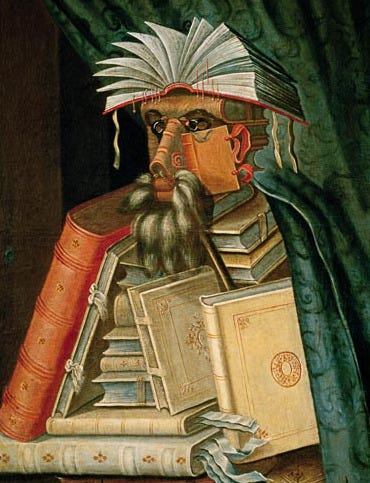
It was a privilege and an honor to study in a phenomenal Honors Program as an undergraduate. The Program began with a sophomore year focused on the history and philosophy of science, followed by two years with a ‘great books in paperback’ regimen directed by a formidable master.
After a year of science history, we turned to the sublime, and the history of ideas.
In a meeting as sophomores before the summer break, we were handed a staggering reading list and told we were expected to buy the books promptly and read them (yes, whole books!) with dispatch on our own initiative over the next two years. Two things were conspicuously chalked on the blackboard:
life ≠ work
life is opaque on all levels
Told the course would begin in the Fall with a focus on the sublime, we should at least read The Brothers Karamazov in the summer in preparation. That, of course, left dozens of other sublime titles on the list to account for.
Hobbes, Rousseau and Nietzsche would follow in class and finish out junior year. As seniors, we would study and discuss Aristotle’s Nicomachean Ethics, and Tolstoy’s War and Peace.
A thrill set in, tinged with terror, followed by a trip to the bookstore.
The Honors Seminar was, in a way, a precursor of my Whirld of Words.
We were a small group at a big table in a lofty room at the remote top of a massive brick quadrangle, meeting two nights a week from seven to nine.
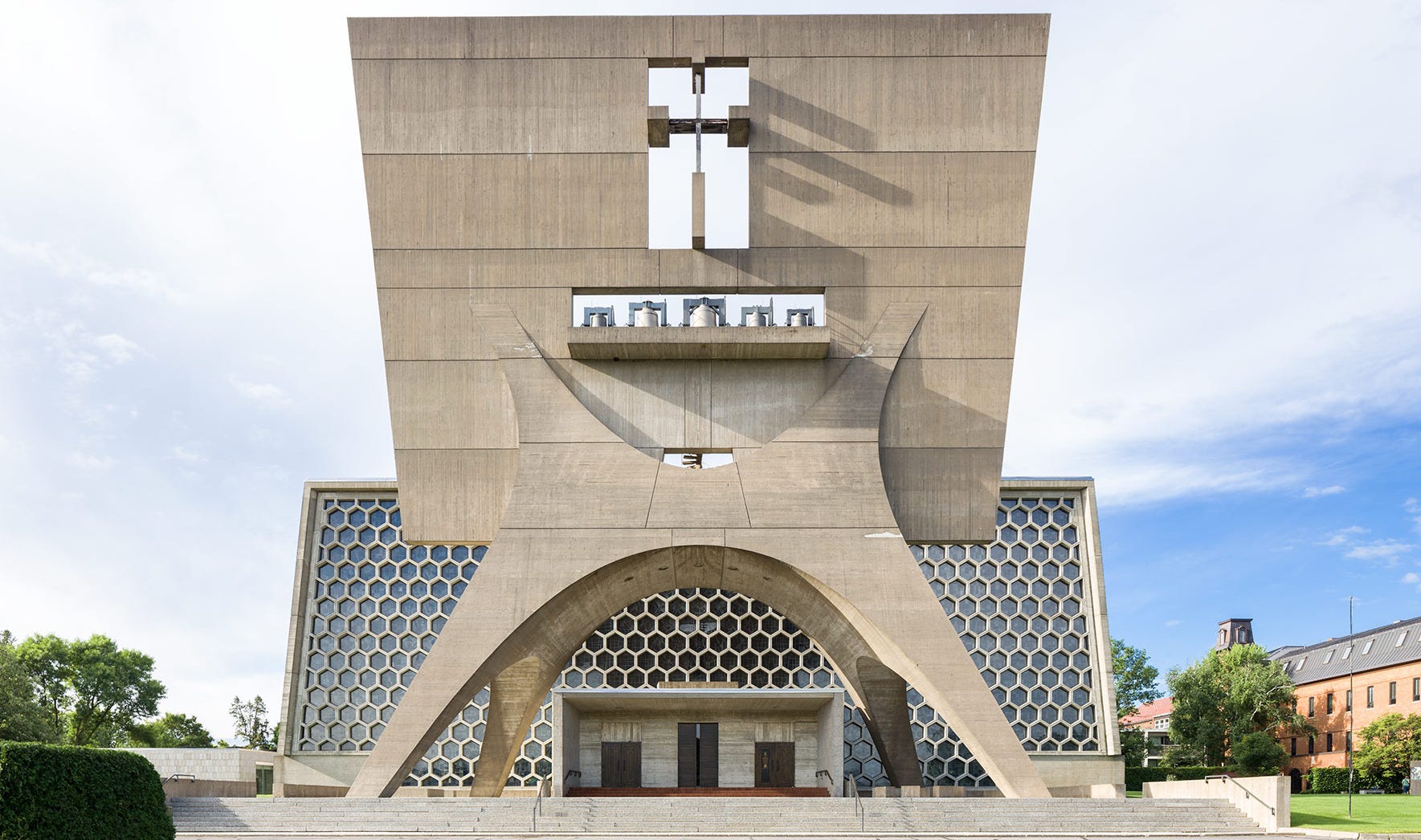
The master was a monk, a refugee from Korea, forever mum about all that, who studied at the Committee for Social Thought at the University of Chicago.
He had a fertile mind, and somehow had already read everything. He got personal friends and acquaintances like Saul Bellow, Hannah Arendt, David Grene, and Wystan Auden to visit the campus, and give a public lecture, and a private seminar for the honors students.
Regularly, though not exclusively, he read pertinent excerpts to us from dozens of thinkers and critics on the subjects and texts he put under discussion. I said he read, when I should have said, he dictated.
He made us copy these out as he read in spurts. He would read a bit, and watch us write in small chops, while he sipped water from a paper cup. Every dullard had to do it, and would be taught something in spite of indolent attitudes.
He typed more excerpts, all week long, for the bonus handouts we also got during every class. These notebooks and handouts remain a treasured archive.
Sounds primitive as pedagogy, but it worked to great effect.
He made us create commonplace books. I suppose it should be considered a model for the methodology I employed in putting my Dictionary together.
The Honors Notes are extant ‒ I once transcribed them into a computer file. If I cannot retrieve the file, I intend to create a new copy.
It is my expectation that in due course in Y2 I can offer to subscribers my notes, reading lists, and handouts from the last two years of the Honors Program.
This will be a delight to prepare.

Thank you for reading!